
Choosing a solar system is about understanding how your property uses electricity. A larger system may produce more energy, but the right investment depends on your consumption, available roof space and future plans.
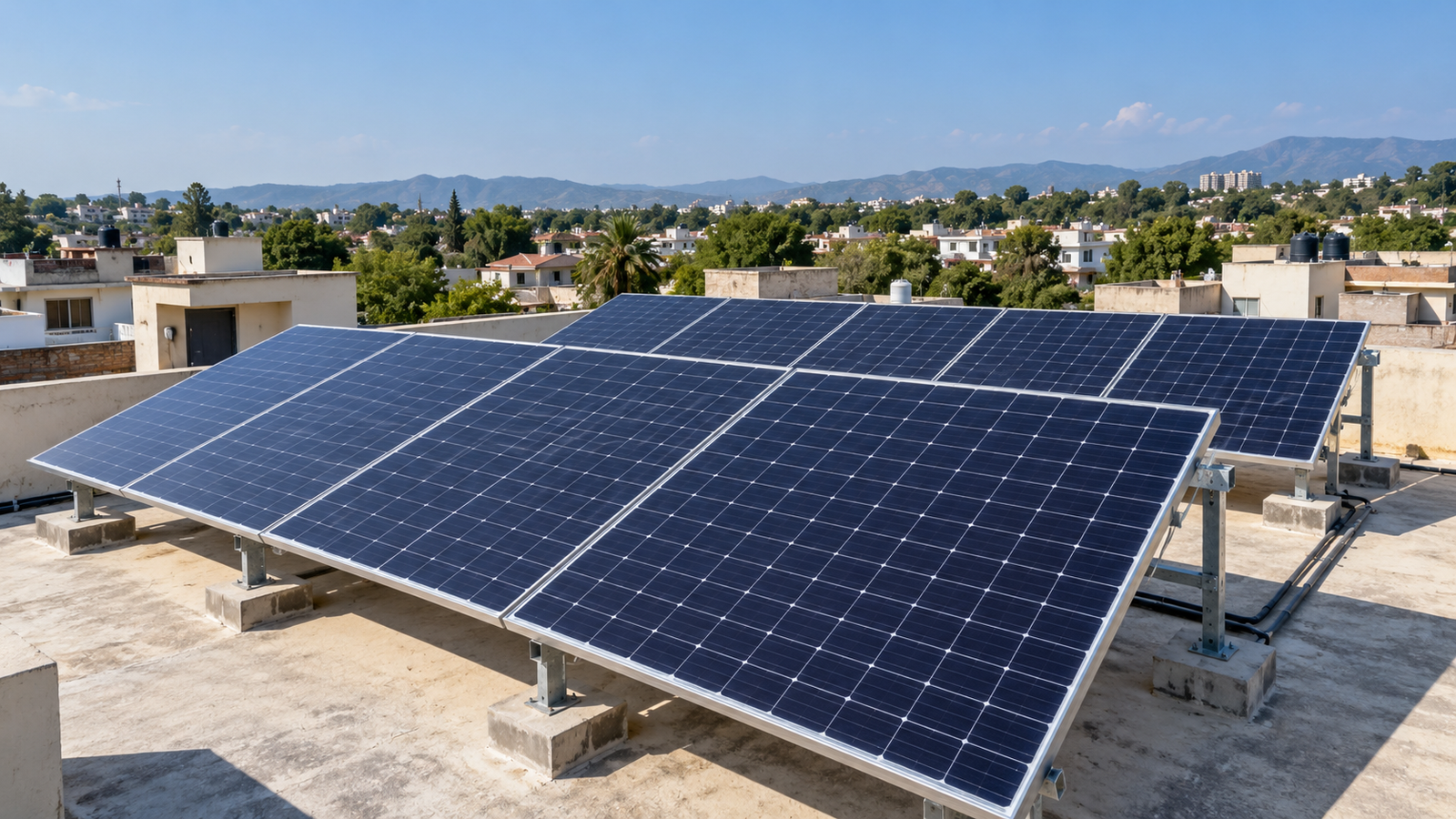
Before deciding between a 5kW and 10kW solar system, start with your electricity bills and daily routine.
Check your Electricity Usage
Review your last 12 months of electricity bills. Look at the units consumed in kilowatt-hours, rather than the bill amount alone. Electricity charges can change, while your unit consumption gives a clearer picture of your energy needs.
Also consider when you use electricity. A home with daytime air-conditioning has a different consumption pattern from a home where most appliances run after sunset.
What Does the System Size Mean?
The system’s kW rating describes its rated power capacity. Your electricity bill records energy consumption in kWh.
A 5kW solar system does not generate 5kW continuously throughout the day. Actual production changes with sunlight, season, shading, temperature and installation conditions. A 10kW system has approximately twice the rated panel capacity of a 5kW system, but its suitability still depends on the site.
When Might a 5kW System Be Suitable?
A 5kW system may suit a property with moderate electricity consumption, limited usable roof space or a smaller installation budget. However, appliance count alone is not enough to confirm suitability. Two homes with the same appliances may consume very different amounts of energy because their operating hours differ.
When Should You Consider 10kW?
A 10kW system may be worth considering for higher daytime consumption, multiple air conditioners, a home office or planned increases in electricity use. Before choosing it, check whether the roof can accommodate the installation without excessive shading or restricted maintenance access.
Solar Capacity and Backup Are Different
Choosing 10kW instead of 5kW does not automatically provide longer backup during an outage. Backup depends on the inverter’s capabilities, battery capacity, connected loads and system configuration. If backup is important, ask for a separate assessment of essential appliances and the hours you want to support them.
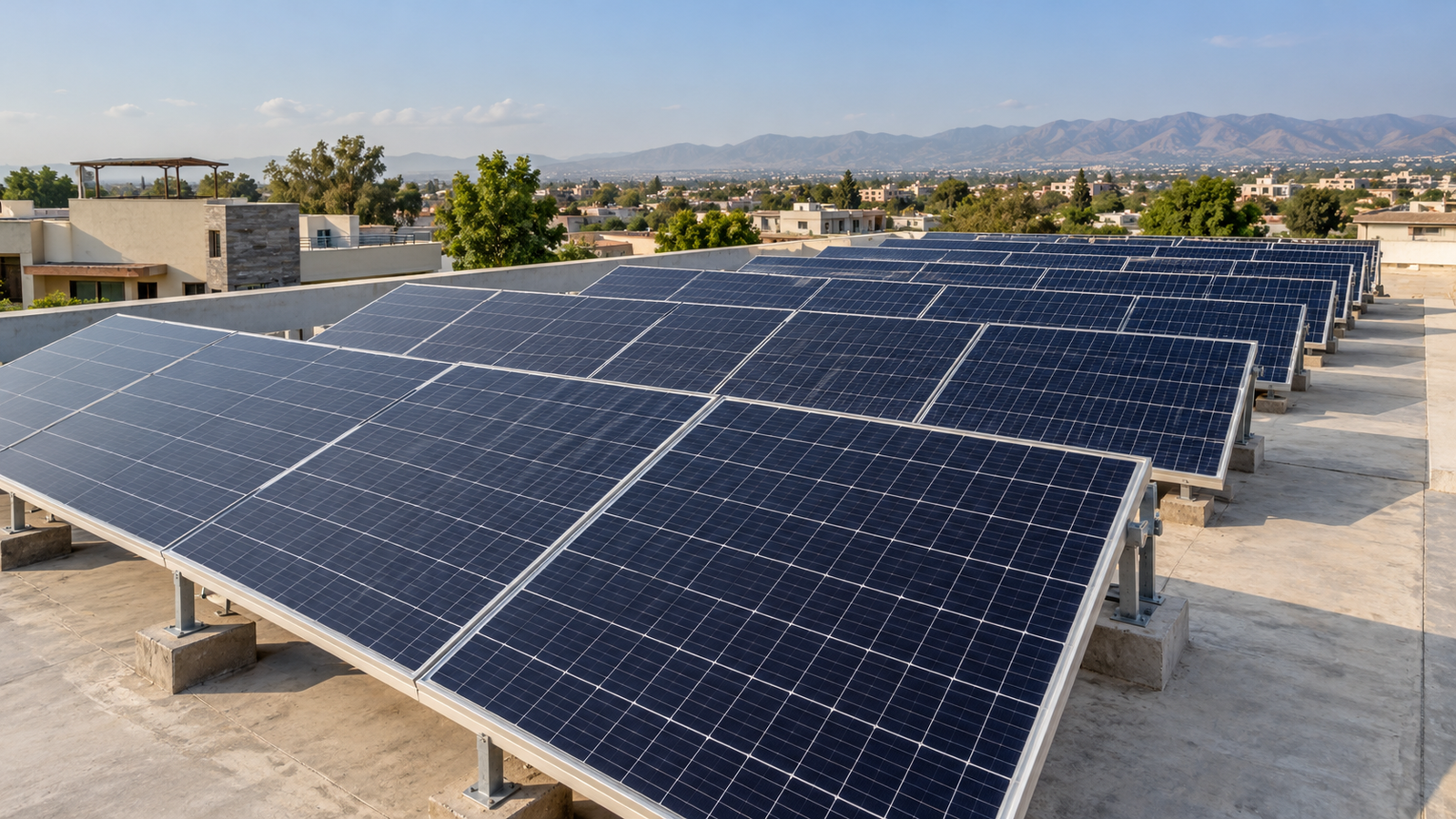
What Information Should You Share With Your Installer?
Provide recent electricity bills, your property location, roof photographs and details of major appliances. Mention any planned additions, such as extra air conditioners or an electric vehicle. Ask for an estimated generation range and the assumptions behind it, rather than a promise of identical output every day.
Choose a System Around Your Needs
The best system size is one that matches your property and electricity use.
Contact Renewables & Technologies for a site assessment and a solar proposal based on your consumption, roof conditions and backup requirements.