Installing solar changes where some of your electricity comes from. It does not automatically remove every charge from your bill.
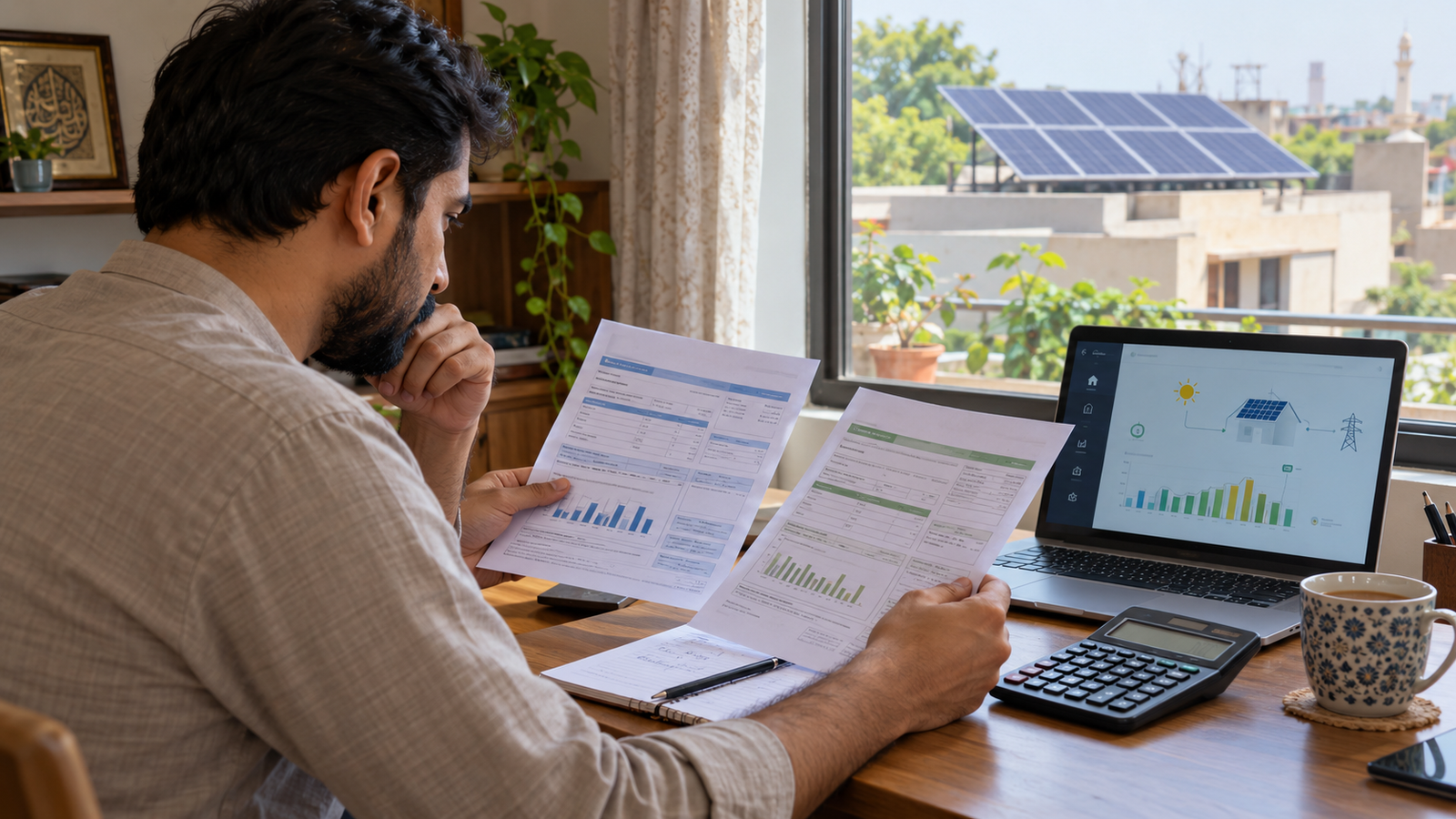
If your bill remains higher than expected, the first step is to compare your consumption, solar generation and billing details.
You May Be Using More Electricity at Night
Solar panels generate during daylight hours. If most of your consumption occurs after sunset, you may still purchase a substantial amount of electricity from the grid.
Where practical, shifting suitable activities to daylight hours can increase the amount of solar energy used directly at the property.
Battery storage may help serve some later demand, but its suitability depends on your consumption and system design.
Your Consumption May Have Increased
After installing solar, some households increase air-conditioner use or add appliances.
Review whether your electricity habits have changed. A system designed around earlier consumption may cover a smaller share of your new demand.
Generation May Be Lower Than Expected
Solar output varies with weather and season. Shading, dirt, equipment faults or inverter interruptions can also affect production.
Compare several days or weeks of monitoring data rather than judging performance from a single cloudy day. Look for unexpected interruptions or a sustained decline under otherwise similar conditions.
The Bill May Include More Than Energy Charges
Review the billing period, meter readings and individual charges.
Your bill may include fixed charges, taxes, adjustments or previous balances. Separate these items from the energy charges when assessing the effect of solar.
If your system exports electricity, check your actual approval status, metering arrangement and applicable utility billing terms. Do not assume every exported unit offsets an imported unit at the same value.
Monitoring Figures Can Be Misunderstood
Solar generation and bill savings are different measurements.
An app may show how much electricity the panels produced, but that figure alone may not explain grid imports, exports or household consumption. The available information depends on the installed monitoring equipment.
What Should You Check First?
Collect your recent bills and monitoring records. Note any inverter alarms, changes in appliance use and the dates of unusual generation.
Ask your installer to compare actual performance with the original design assumptions and investigate any persistent mismatch.
Get a Performance Review
A high bill does not always mean the solar system has failed. The cause may involve consumption patterns, billing details, system sizing or a technical issue.
RnT can review your system information and help identify the next practical checks.
1 comment
WilmerVax
October 27, 2026Translandwp
February 26, 2022