When planning a solar installation, one of the first decisions is whether to choose an on-grid or hybrid system.
Both can help you use solar energy at your property. The main difference is how they interact with the electricity grid and whether they are configured to provide backup.
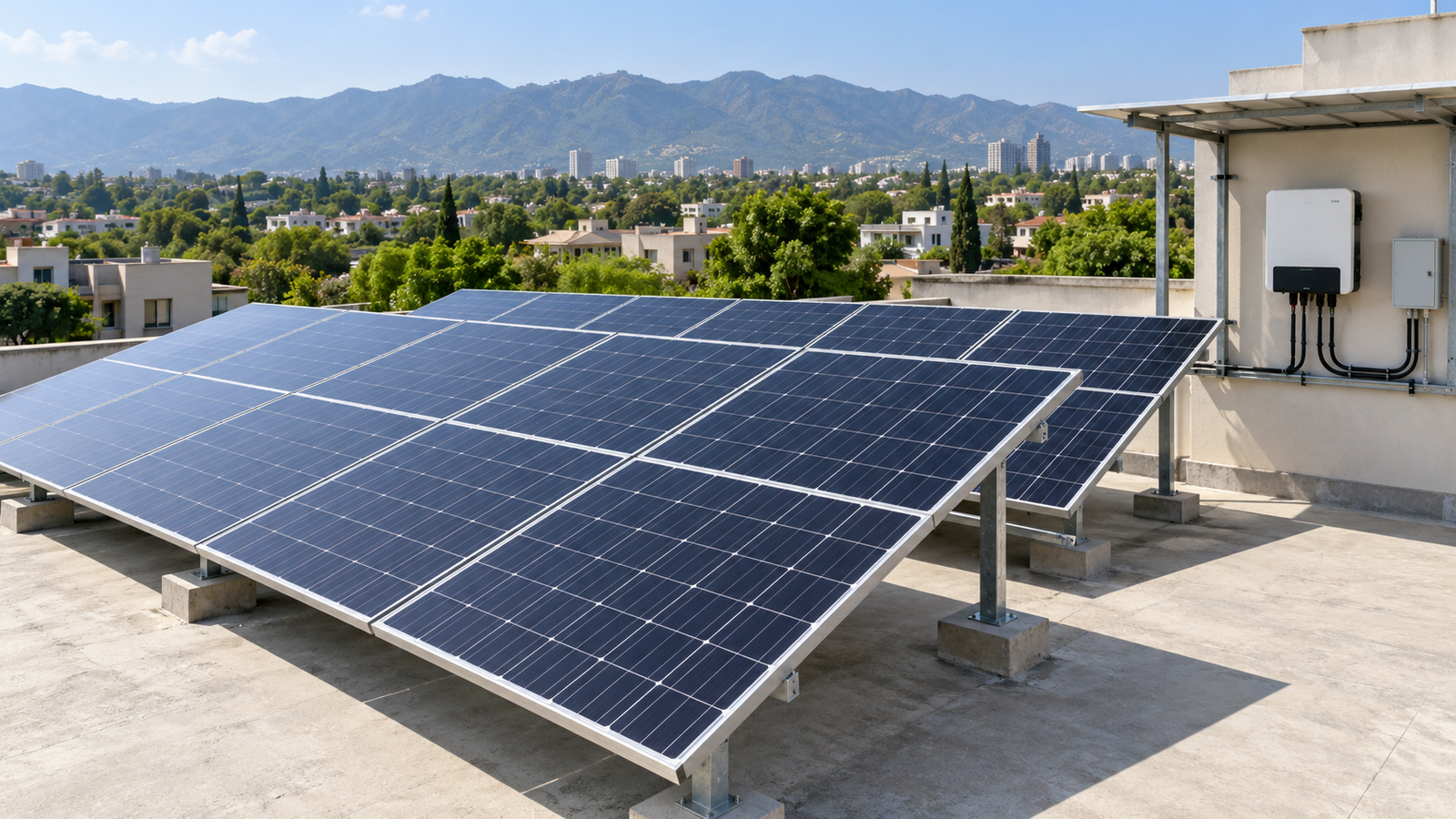
What Is an On-Grid Solar System?
An on-grid system operates alongside the utility supply. During daylight hours, solar generation can help meet the property’s electricity demand.
When solar production is lower than consumption, the property draws the remaining electricity from the grid. Any export arrangement depends on the applicable utility requirements and approvals.
A standard on-grid installation normally shuts down during a grid outage. This safety behavior means that having solar panels does not automatically keep appliances running when utility power fails.
What Is a Hybrid Solar System?
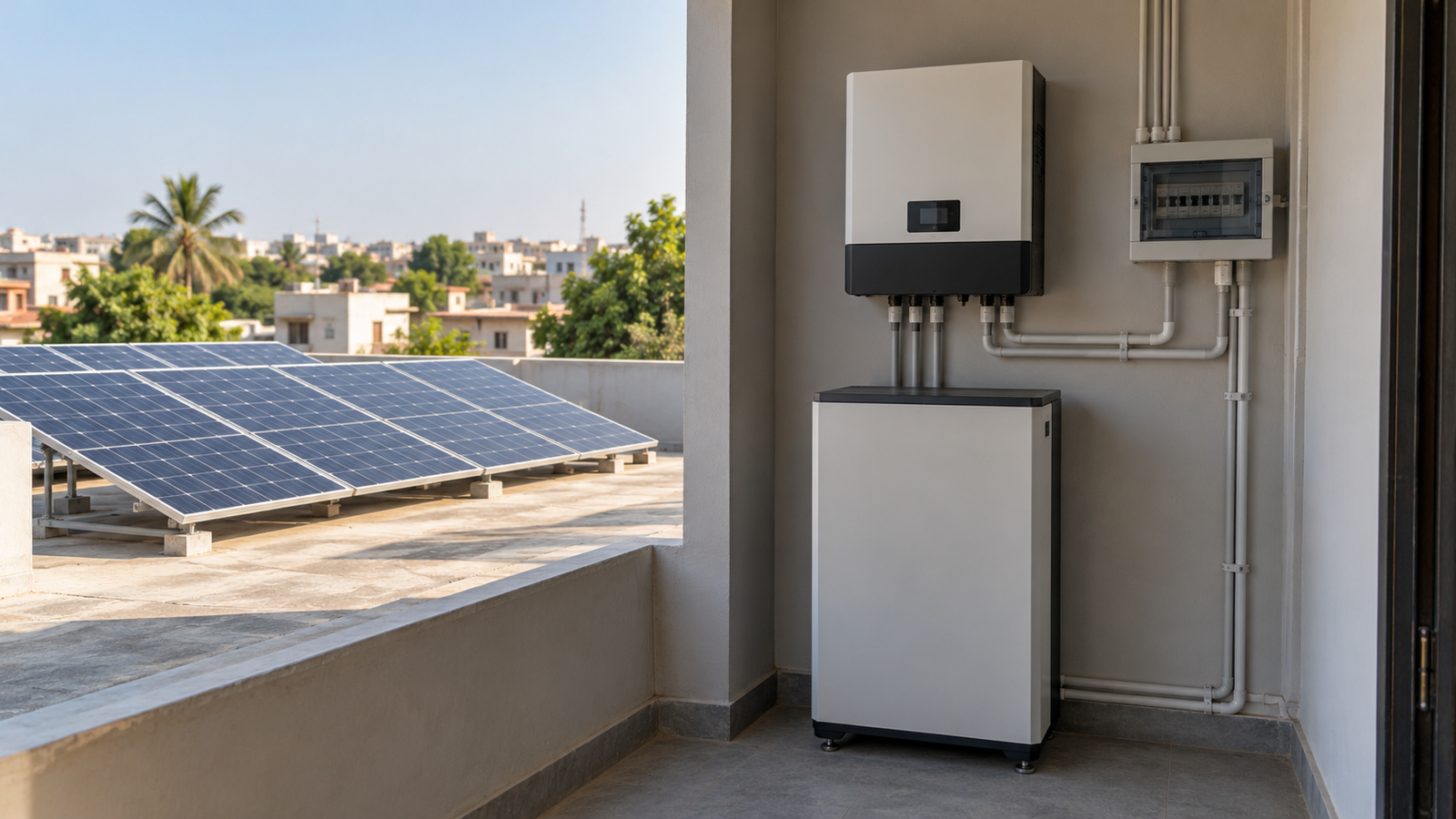
A hybrid system combines solar generation with an inverter designed to manage additional energy sources, commonly including batteries.
When properly designed and configured for backup, it can supply selected appliances during an outage.
However, the word “hybrid” alone does not guarantee whole-property backup. The inverter’s output limits, battery specifications, wiring arrangement and connected loads determine what can operate.
Which System May Suit You?
An on-grid system may be suitable when your priority is reducing daytime electricity purchases and you do not require solar-based outage backup.
A hybrid system may be more suitable when you want both solar generation and backup for essential appliances.
The decision should reflect your actual outage experience, daytime consumption and budget.
How Much Battery Backup Do You Need?
Start by listing the appliances that must remain on during an outage. Lights, fans, internet equipment and refrigerators have different requirements from air conditioners and water pumps.
Battery sizing should consider both the total energy needed and the power required at any one time. Motor starting loads may also affect inverter selection.
Ask your installer to explain the expected backup duration under a clearly defined appliance load.
Questions to Ask Before Choosing
Confirm whether the proposed system operates during a power cut, which circuits receive backup and whether batteries are included in the quotation.
Also ask about battery warranty conditions, future expansion and any limitations when running large appliances.
Get the Configuration Right
The right solar system should match how you use electricity and the level of backup you need.
RnT can assess your property and explain the equipment, installation scope and backup options before you decide.
2 Comments
Elandwp
July 22, 2022Elandwp
July 22, 2022